
Before I released my first song, I thought writing it would be the hardest part. I was wrong. The hardest part was letting it leave me.
Releasing music as an independent artist is exciting, but it is also deeply uncomfortable. A song can live safely on your laptop for months. The moment you publish it, something private begins belonging to the listener too.
That first release taught me more about vulnerability, silence, and commitment than I expected.
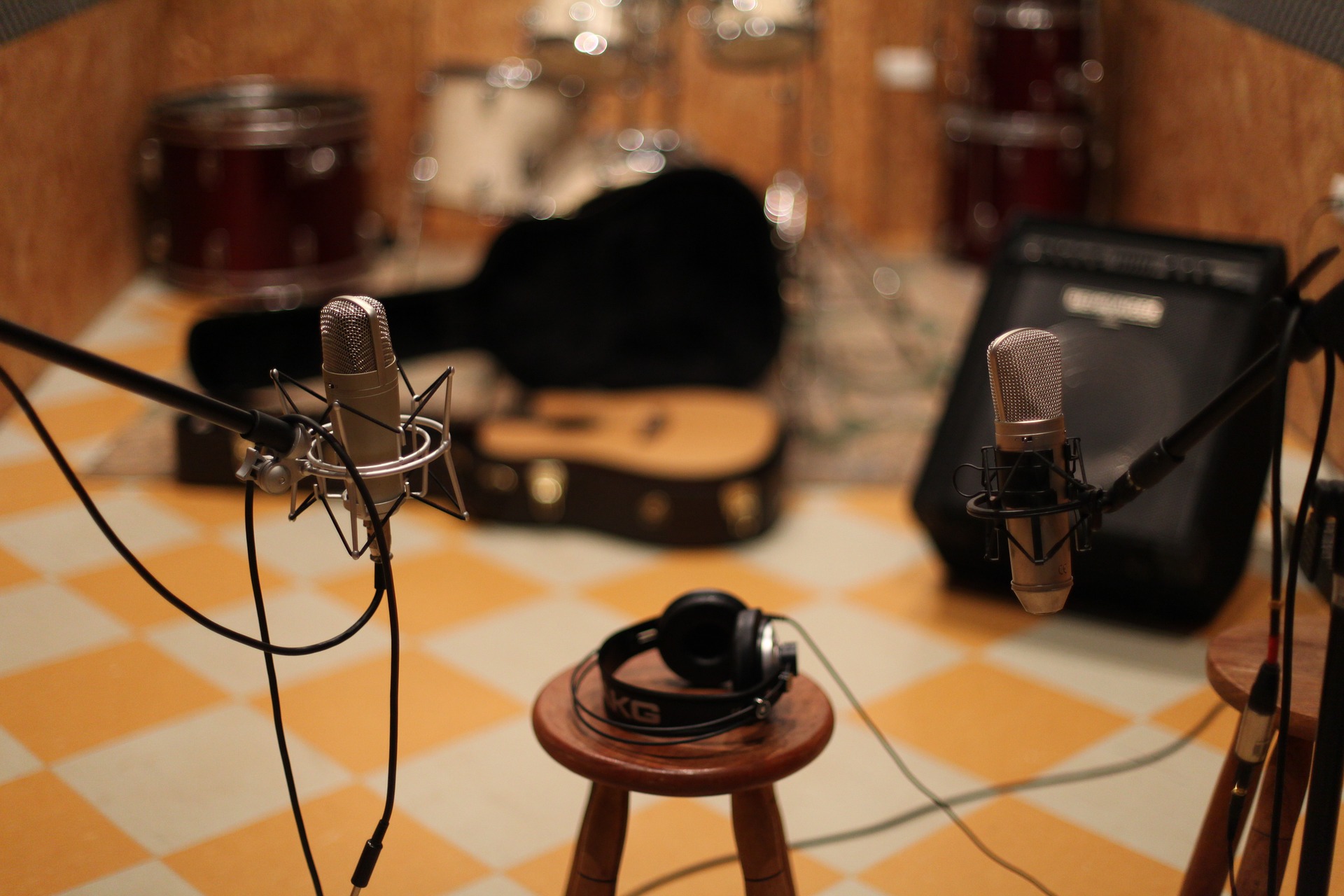
The Hardest Part Was Pressing Publish
Before a release, the song is still yours.
It lives on your phone, laptop, or hard drive. You replay it, revise it, and find comfort in knowing nobody else can judge what they have not heard.
Then the questions begin:
What if nobody listens?
What if people do listen—and do not like it?
What if the song means more to me than it ever will to anyone else?
Excitement and fear sit beside each other right up until the moment you press publish.
Why Releasing Music Feels So Personal
My songs carry the feelings I did not say when I had the chance, the moments I replayed, and the experiences that stayed long enough to become lyrics.
They are a little like diary entries with the names removed.
I felt that exposure especially strongly when I released “Rewind Time.” It was as though my heart was suddenly outside of me, even though listeners did not know the entire story underneath it.
As an independent artist, there is no label speaking between you and the audience. Your name is attached directly to the feeling. That vulnerability can make you second-guess everything—but it also gives the release its weight.
The Quiet After Your First Release
This part surprised me most.
I expected something dramatic after publishing my first song: relief, celebration, or immediate proof that I had done the right thing.
Instead, there was quiet.
No fireworks. No instant validation. Just refresh buttons, waiting, and the knowledge that the song was out there now.
That silence taught me something important. Releasing music is not a reaction to praise. It is an act of commitment—the decision to let the work exist even when you cannot control how it will land.
Why the First Listener Matters
The first listener matters—not because the number is impressive, but because another person chose to stop and give your music their time.
Whether the count is one stream or one hundred, the song has reached beyond your own head. Someone you may never meet has heard a feeling that once belonged only to you.
Numbers can become loud and distracting for independent artists. They rise, stall, and disappear. Connection—even quiet connection—lasts longer than a metric.
How Releasing a Song Changes You
Nothing around you looks different after that first release. Your routine remains the same, and most people do not know anything changed.
But internally, there is a clear line between before and after.
You stop being someone who wants to release music someday and become someone who has.
The fear does not disappear. It simply has to exist beside proof—proof that you finished something, followed it through, and allowed it to be seen.
That creates a quiet confidence. Perfection stops being the goal. Showing up becomes the goal.
Your First Song Is Only the Beginning
Your first release does not have to go viral, define your career, or prove everything at once.
It just has to exist.
It teaches you that fear can travel with you, vulnerability is part of the process, and growth comes from releasing the work—not waiting until you feel completely ready.
If you are standing at the edge of your own first release, do it scared. Do it imperfectly. Do it honestly.
Your first song is more than a track. It is proof that you showed up for yourself.
Listen to My Music
Explore the releases and full music catalog from N!CØLE.
—N!CØLE